Here’s the first thing to know: Malta is a furnished market. The overwhelming majority of long lets come with furniture, appliances and kitchenware included — a legacy of the island’s expat-driven demand, and a genuine gift if you’re arriving with two suitcases. But “furnished” is a spectrum, not a standard, and knowing the difference between furnished, semi-furnished and unfurnished in Malta will save you money, disputes, or both.
What “Furnished” Actually Includes
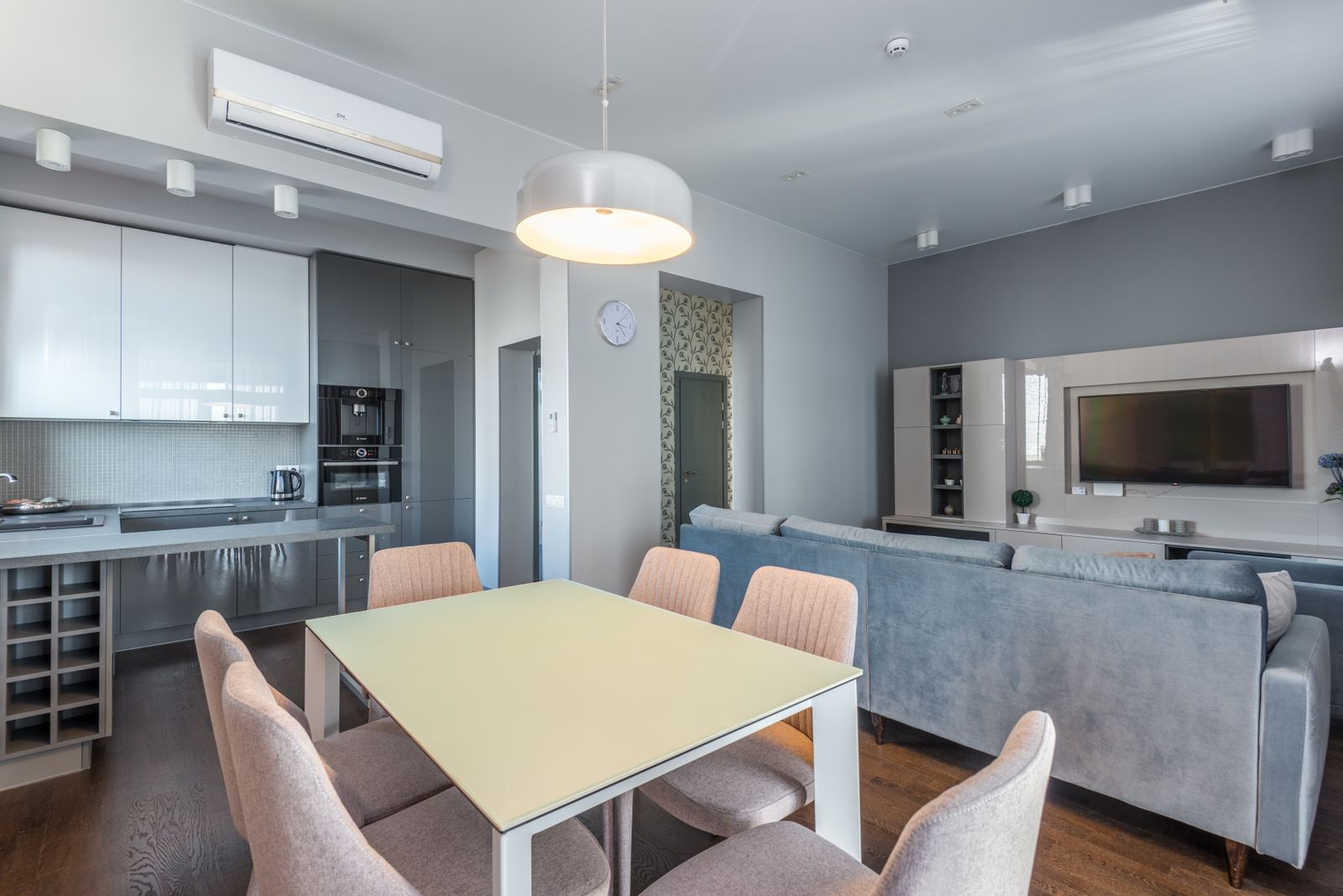
A properly furnished Maltese apartment means: beds and wardrobes, sofa, dining set, a working kitchen with hob, oven, fridge and washing machine, and usually the small stuff — kettle, crockery, an iron. What it doesn’t automatically include: air-conditioning in every room (check), a dryer (rare), a dishwasher (a pleasant surprise), or linens (sometimes). The rule: never assume — inventory everything. The photos show furniture; only the contract’s inventory list makes it yours to use and the landlord’s to maintain.
Semi-Furnished and Unfurnished: When They Make Sense
Available Homes Right Now
 €1,700/mo
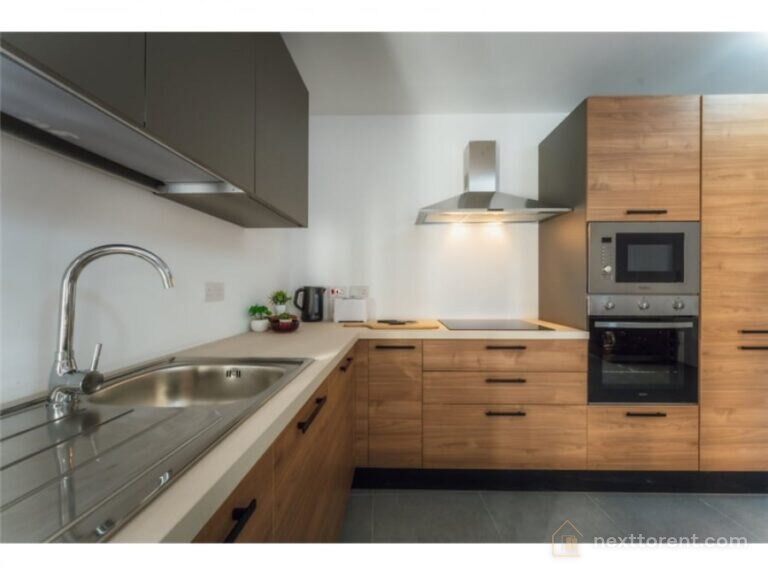 €1,500/mo
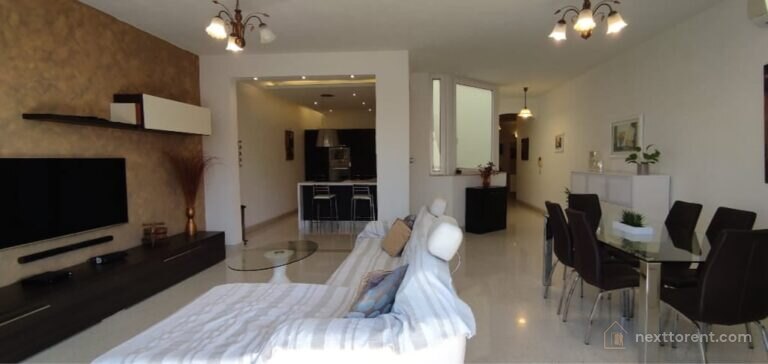 €1,850/mo
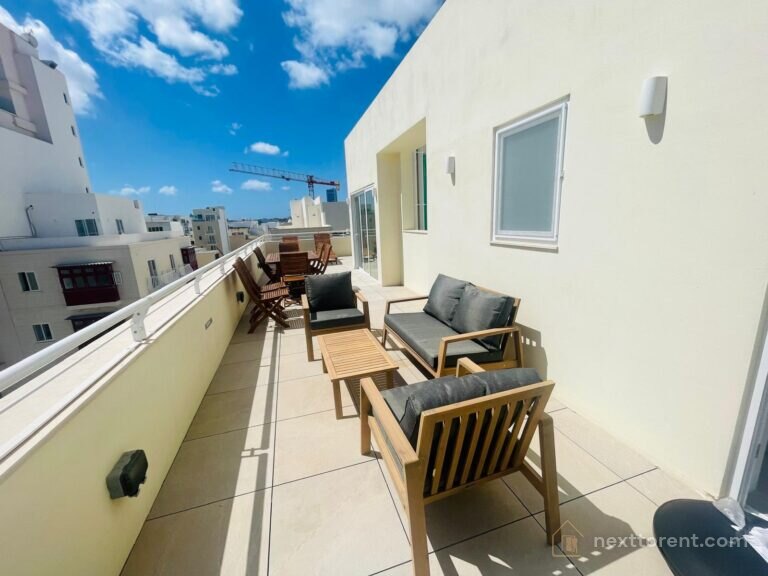 €2,200/mo
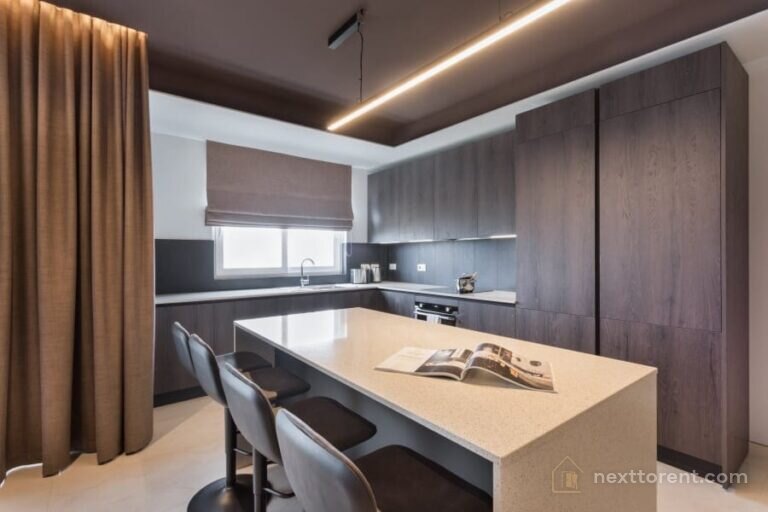 €1,900/mo
 €2,800/mo
Semi-furnished (kitchen appliances plus wardrobes, little else) suits long-stayers who own furniture or want to buy their own — you trade convenience for a home that feels like yours. Unfurnished is rare in Malta’s long-let market and mostly appears in larger family houses; it can be a quiet bargain for families relocating with a container, because the landlord’s pool of takers is small. If that’s you, say so upfront — we can hunt specifically.
The Money Question
Furnished commands a premium, but in Malta it’s smaller than newcomers expect — because furnished is the default, the market prices it in. Where you feel the difference is quality: a €2,000–3,000 furniture refresh routinely moves a property’s rent by €100–150/month (landlords: our rent-out guide does that math), which means as a tenant, a tired-looking furnished flat is a negotiating opening, not a dealbreaker — ask for the sofa to be replaced before signing, while your leverage is real. All the baseline ranges by town live in our cost of renting guide.
The Inventory Is Your Armour
Every furnished let should come with a signed inventory — the list of what’s in the property and its condition, ideally with photos, attached to the registered contract. It protects both directions: the tenant’s deposit against claims for pre-existing wear, the landlord’s furniture against genuine damage. Twenty minutes at handover; it prevents ninety percent of end-of-lease arguments. If a landlord waves it off — that tells you something.
The Short Version
Arriving with suitcases → furnished, inventory signed. Staying years with your own things → semi-furnished or the rare unfurnished find, hunted deliberately. Landlord deciding how to offer → furnish properly; the refresh pays for itself. Whatever the route, the inventory and the registered contract are non-negotiable — and choosing the right town matters more than the furniture (start at the Best Areas hub).
Tell us on WhatsApp (+356 7979 8661) what you’re bringing and how long you’re staying — we’ll match you to available apartments that fit. Landlords weighing a furnishing decision: the valuation conversation is free.