Every August, the same thing happens. Thousands of students — Erasmus arrivals, international degree students, Gozitans moving across for the semester — all start looking for apartments near the University of Malta at exactly the same time. By mid-September, the good apartments within walking distance of campus are gone, and what’s left is either overpriced or a long bus ride away.
This guide is for anyone who wants to avoid that scramble. We’ll be straight with you about what things actually cost, which areas are genuinely convenient (and which only look close on a map), and how student rental contracts work in Malta.
Where the University Actually Is
The University of Malta’s main campus sits in Tal-Qroqq, Msida — roughly the geographic centre of the harbour area. That’s good news: it means several residential towns are within a 10–25 minute walk or a short bus ride, and you have real choices at different budgets.
The practical rule: anything in Msida, Gzira or Ta’ Xbiex is walkable. San Ġwann, Birkirkara, Swieqi and Sliema are one short bus ride (or a longer walk if you’re the type). Beyond that, you’re relying on Malta’s buses at peak hour — factor that honestly into your decision.
The Best Areas to Live Near Campus
Available Homes Right Now
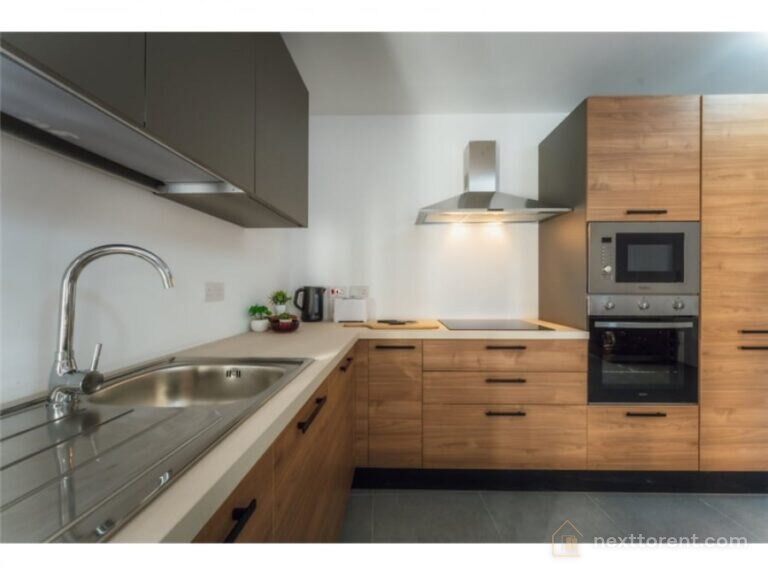
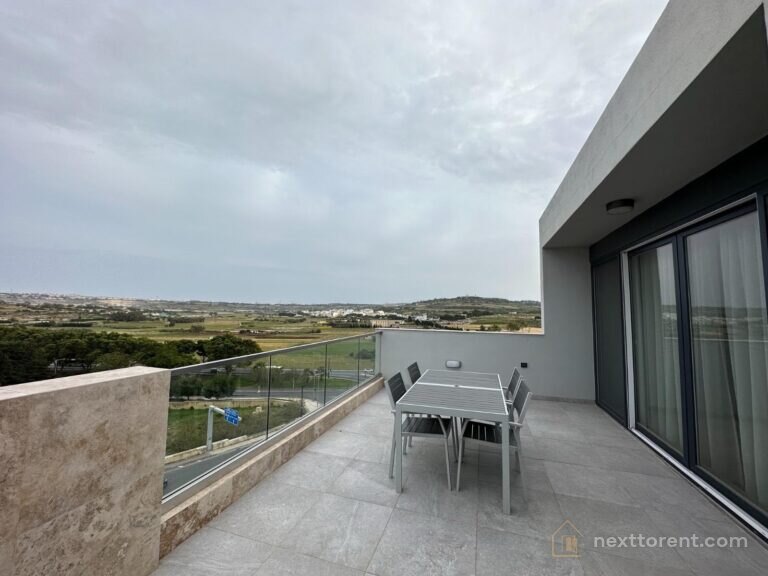 €1,700/mo
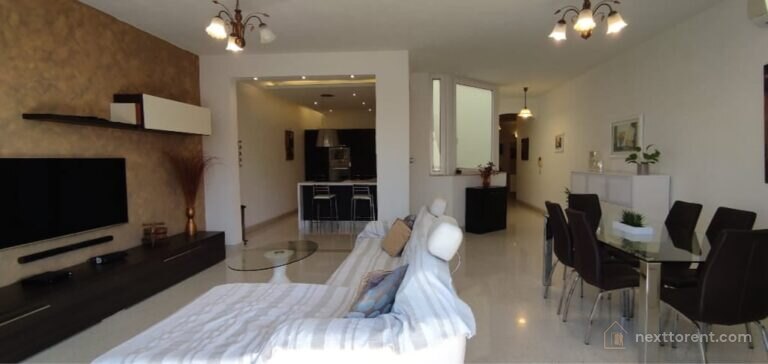
 €1,500/mo
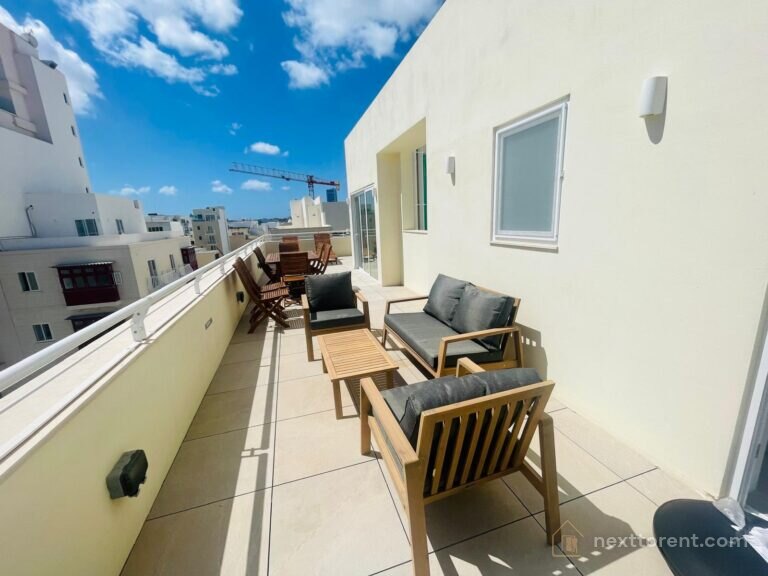
 €1,850/mo
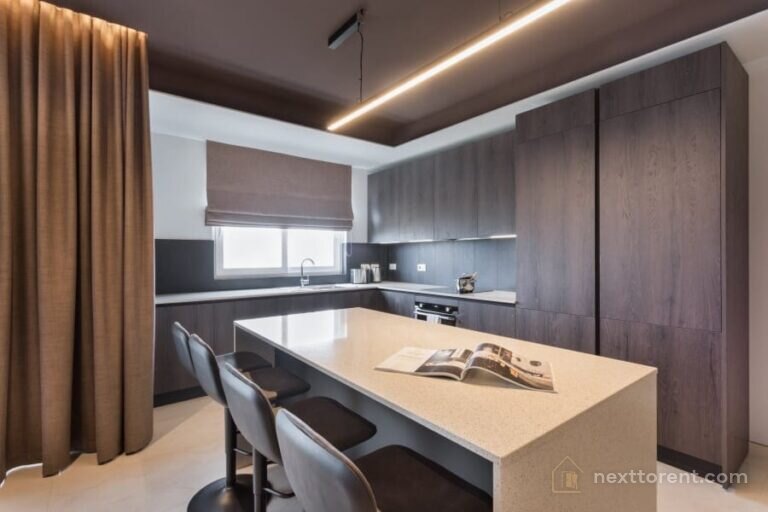
 €2,200/mo
 €1,900/mo
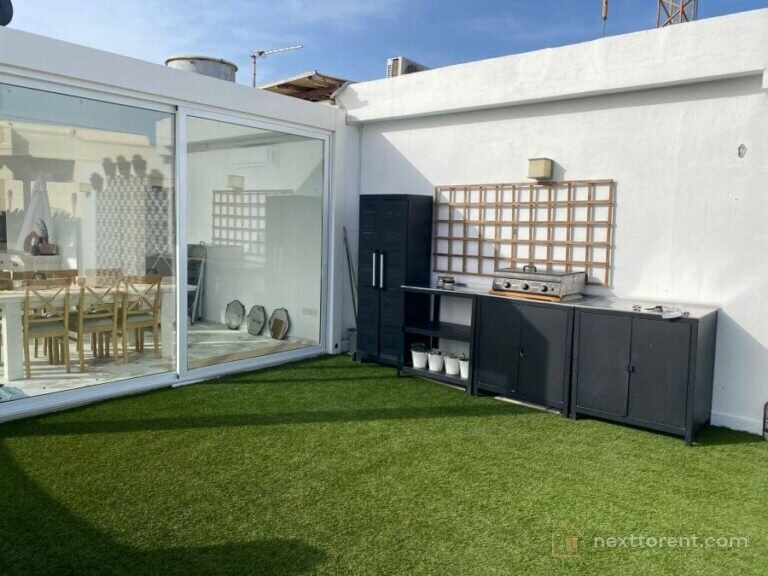 €2,800/mo
Msida — closest to campus
If your priority is rolling out of bed and into a 9am lecture, Msida is the obvious answer. The area around Tal-Qroqq and Swatar is full of student flats, and the Msida seafront gives you supermarkets, cafés and the main bus interchange. It’s not Malta’s prettiest town — traffic on the front is real — but for pure convenience nothing beats it.
Indicative 2026 rents in Msida: one-bedroom apartments from around €850–1,300, two-bedrooms €1,200–1,500. Shared apartments are common here, with a room in a shared flat typically €400–550 per month depending on condition.
Gzira — walkable, livelier, better value than Sliema
Gzira is a 15–20 minute walk from campus and has quietly become one of the most popular student and young-professional areas in Malta. You get the Sliema lifestyle — seafront promenade, restaurants, gyms — at a noticeably lower price. In 2026, one-bedroom apartments in Gzira run €950–1,350 and two-bedrooms €1,300–1,600.
For two or three students sharing a two-bedroom flat, Gzira is often the sweet spot between cost, quality and location.
Ta’ Xbiex — quiet and green, if you can find it
Ta’ Xbiex is the small, leafy pocket between Msida and Gzira, right on the marina. It’s residential, calm, and closer to campus than most people realise. Supply is limited — it’s a small town and much of it is offices and embassies — so if a well-priced apartment appears here, decide quickly.
San Ġwann and Birkirkara — the budget play
Move ten minutes inland and prices drop. San Ġwann and Birkirkara are ordinary, lived-in Maltese towns — fewer seafront cafés, more local bakeries — and rents reflect that. The trade-off is the commute: buses toward the university get crowded between 7:30 and 9:00, so a 15-minute journey can become 30. If budget is your binding constraint, this is where to look.
Swieqi and Sliema — comfort over proximity
Some students, especially postgrads and those combining study with work, prefer Swieqi (quiet, residential, 1-beds €1,100–1,300) or Sliema (the classic seafront town, 1-beds €1,000–1,400). Neither is walking distance to campus, but both are a single direct bus away and offer a noticeably better living environment than the streets immediately around Tal-Qroqq.
What Apartments Near the University of Malta Actually Cost
A realistic 2026 budget, per month:
For the full, up-to-date picture of what rent costs across Malta by town, see our quarterly Malta Rental Price Index — real figures from closed deals, updated every quarter.
- Room in a shared apartment (Msida/Gzira): €400–550
- One-bedroom apartment (Msida): €850–1,300
- One-bedroom apartment (Gzira): €950–1,350
- Two-bedroom shared between two (Gzira): €650–800 each
- Three-bedroom shared between three (Msida/Birkirkara): €450–630 each
One thing experience teaches: these are listing ranges, and the cheapest units in any range are almost never actually free. Well-priced apartments near campus are usually occupied long-term, and when one is released it’s often repriced — and rented within a day. Treat the lower ends as “possible if you’re early and lucky”, not as what you’ll find in September.
On top of rent, budget for utilities — electricity, water and internet typically add €60–100 per person per month depending on air-conditioning habits. For the full picture of deposits, agency involvement and how Malta’s rental prices have moved this year, see our guide to the cost of renting in Malta in 2026.
And one honest warning: prices quoted in Facebook groups often look cheaper than the figures above. Some are genuine; many are outdated, already taken, or outright scams targeting incoming students. Never send a deposit for an apartment you (or someone you trust in Malta) haven’t physically seen.
Scams to Avoid as an International Student
Students arriving from abroad — often paying a deposit before they have even landed — are exactly who rental scammers target. The classic trap is the bait listing: a beautiful apartment at an impossibly low price that “just got taken” the moment you enquire, followed by pressure to send a deposit for something “similar.”
The 30-second defence: know the real price of the area before you believe a listing, and never send money for a place you or someone you trust has not verified in person or on a live video call. Our full breakdown is here: how to spot Malta rental scams and bait listings. If you are ever unsure whether a listing is legitimate, send it to us — we will tell you honestly, free.
Student Contracts: What the Law Says
Malta’s Residential Leases Act sets a minimum term of one year for standard long lets — but there’s a specific carve-out that matters for students. Non-resident students enrolled in a course can sign a short private residential lease of six months, designed exactly for a semester or academic-year stay. Landlords must register every lease with the Housing Authority; an unregistered contract is a red flag, not a formality.
Standard practice you should expect: one month’s rent as deposit, first month upfront, and an inventory list if the apartment is furnished (near Tal-Qroqq, almost everything is). We’ve broken down clauses, deposits and your rights in plain language in Malta rental contracts explained. Read it before you sign anything — it’s a ten-minute read that can save you a month’s rent.
Timing: How to Beat the September Rush
This is the single most useful piece of advice in this guide: start looking in July or early August. The pattern every year is the same —
- June–July: decent supply, landlords open to negotiation, you can compare options calmly.
- August: demand climbs sharply as international students confirm places.
- September: peak scramble. Walkable apartments are gone; what remains rents same-day, sight-almost-unseen, at full asking price.
If you’re reading this in September, don’t panic — but widen your search to San Ġwann, Birkirkara and Msida’s inland edges, and be ready to view and decide within 24 hours.
How to Actually Secure a Place
Landlords near the university receive multiple enquiries per listing in peak season. The students who win are the ones who look organised:
- Have your documents ready: ID or passport, proof of enrolment, and a guarantor or proof of funds if you don’t have local income.
- Reply fast and view fast. A viewing booked for “next week” usually means an apartment already gone.
- Be upfront about who’s living there. Landlords accept students routinely — what they dislike is discovering five occupants on a two-person contract.
- Get everything in writing: rent, deposit, what’s included, and the registered contract.
Find Your Place Before the Rush
We’re a Malta-based long-let agency and we work with landlords across Msida, Gzira, Swieqi, Sliema and the surrounding towns year-round — which means our available apartments are real, current, and viewable this week, not recycled Facebook listings.
Browse what’s available now, or message us on WhatsApp (+356 7979 8661) with your budget, move-in date and preferred area — we’ll tell you honestly what’s realistic and line up viewings before September does its thing.
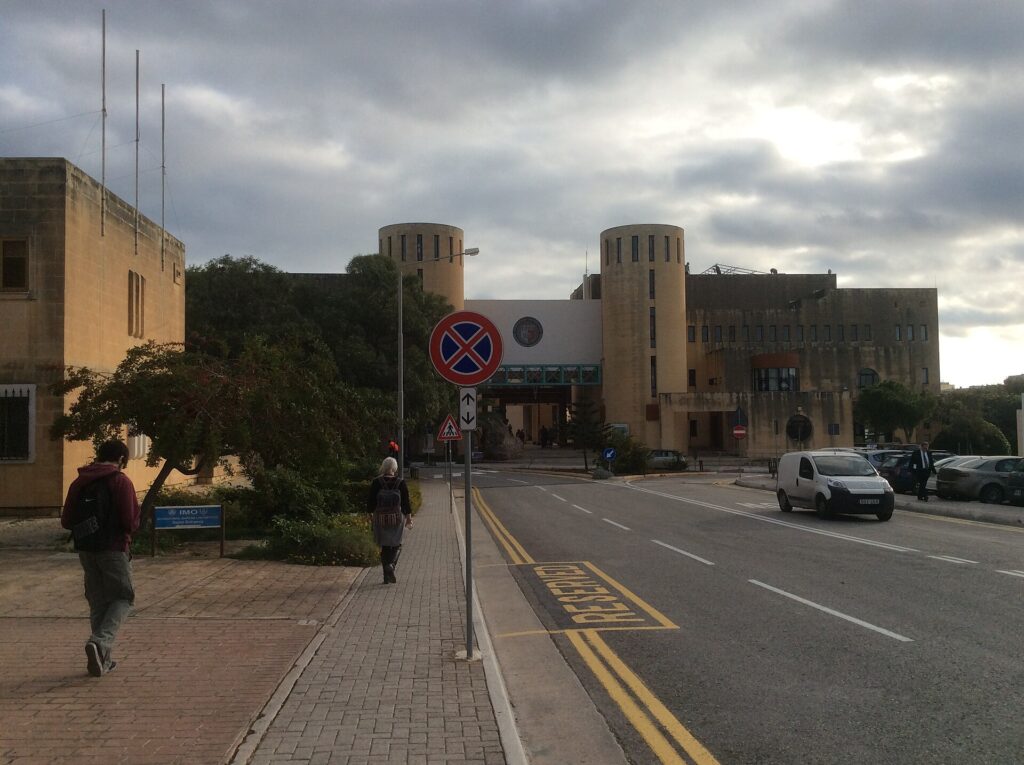
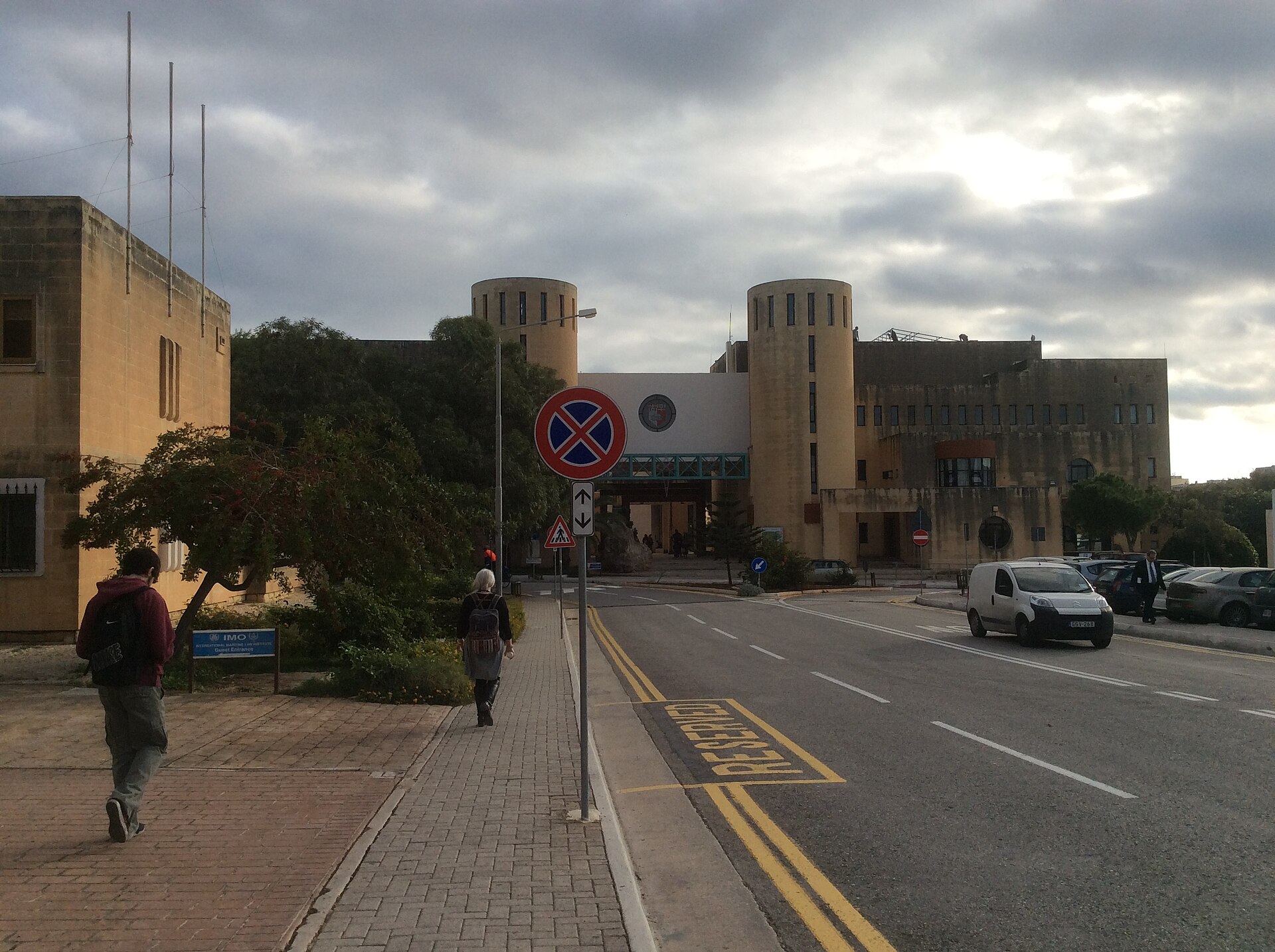
Featured photo: University of Malta main campus entrance by Continentaleurope, CC BY-SA 3.0, via Wikimedia Commons.