Here’s the question every relocator asks in week one — do I need a car in Malta? — and here’s the honest answer: it depends almost entirely on which town you pick. Choose right and car-free life is genuinely pleasant; choose wrong and you’ll be shopping for a Toyota by October. This guide is the difference.
The Car-Free Toolkit
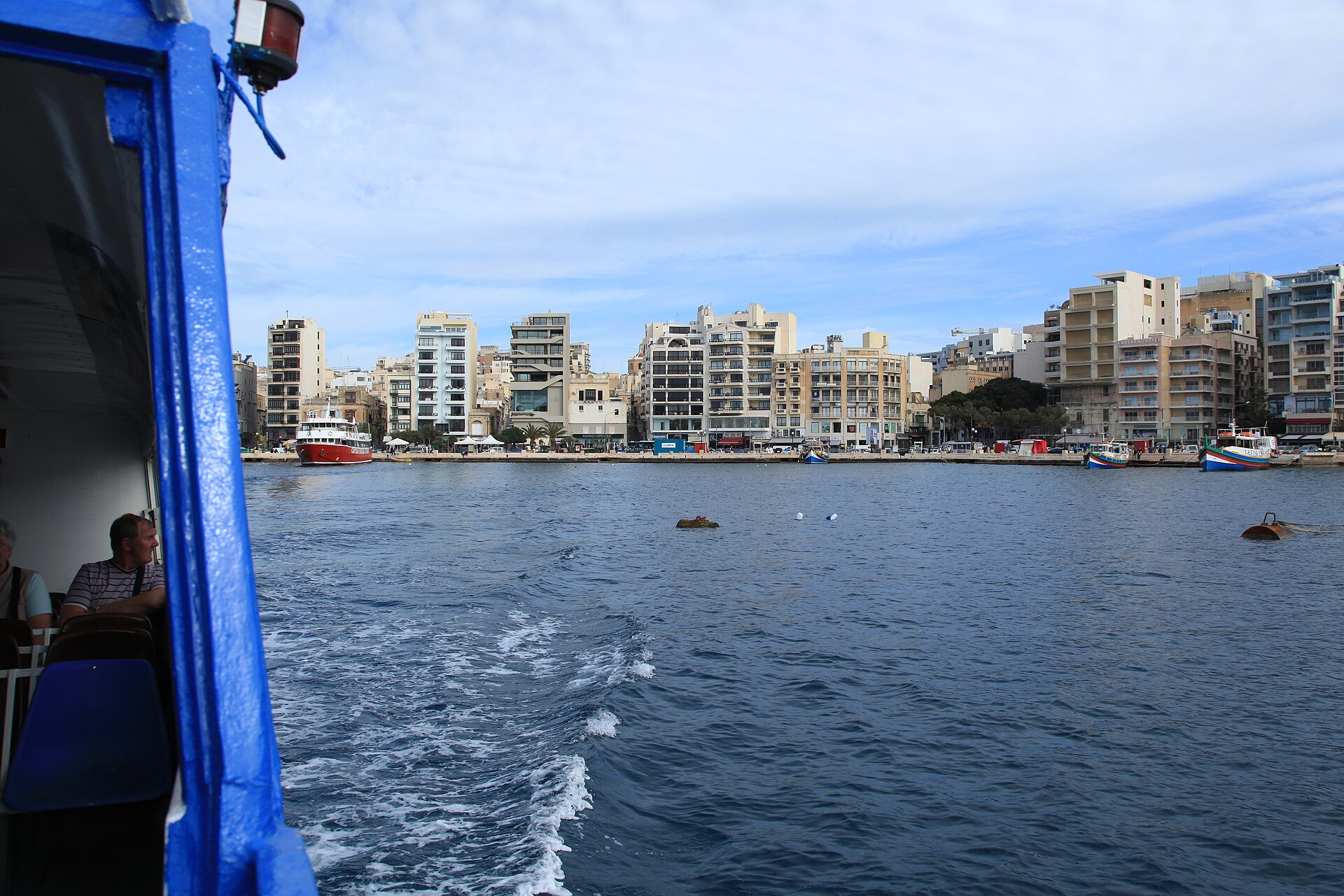
Buses (Malta Public Transport) reach essentially everywhere for €2.50 or less a ride, with the Tallinja card cutting costs further — the honest catch is frequency and summer crowding on trunk routes; direct routes are fine, connections eat your morning. Ferries are the secret weapon: Sliema–Valletta and the Three Cities crossings turn what would be 40 traffic minutes into a scenic ten. Cabs (Bolt, eCabs, Uber) are plentiful and cheap by northern-European standards — €8–15 covers most useful hops, which means even regular cab use costs less than owning, insuring and parking a car. Walking is the underrated one: Malta’s central towns are dense enough that daily life fits inside twenty minutes on foot — in the right town.
The Car-Free Map, Town by Town
Genuinely car-free: Sliema, Gzira and Msida — the harbour corridor is Malta’s walkable spine, with the ferry, every bus trunk route, and daily life at street level. St Julian’s joins them if you work locally. Car-free with planning: San Gwann (everything walkable inside the town, direct buses out — our founder lived it), Swieqi (downhill walk to St Julian’s; the uphill return builds character), and Ta’ Xbiex on the marina flat. Car-comfortable: Mosta — self-sufficient daily life on foot, but cross-island plans want wheels. Car-advisable: Mellieħa and Marsaskala — the value towns trade transit convenience for their prices; remote workers thrive, daily commuters should test the bus timetable against their patience before signing.
The Honest Math
A modest car in Malta costs real money — purchase, licensing, insurance, fuel, and the hidden tax of parking, which in the harbour towns can mean fifteen-minute hunts twice daily. Against that: a Tallinja pass plus a couple of weekly Bolts runs a fraction of the cost. The rule of thumb we give tenants: if you live and work within the harbour corridor, a car is a liability; if either end of your day sits outside it, do the commute by bus once before you decide. And factor it into the apartment hunt itself — a €100 cheaper rent that forces car ownership is not cheaper.
Match the Town to the Life
Car-free living in Malta isn’t a compromise — it’s a location decision. Tell us on WhatsApp (+356 7979 8661) where you’ll work and how you like to move, and we’ll shortlist apartments where your feet, the ferry and the occasional Bolt genuinely suffice — or where the garage comes included. (Start with the full town comparison if you’re still mapping.)